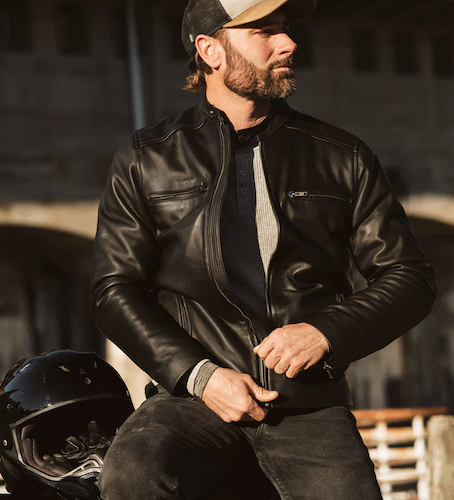


Buying a motorcycle helmet seems simple until you walk into a gear shop or start browsing online. Suddenly you’re staring at hundreds of options that all look different, cost different amounts, and claim to offer the best protection. Some riders focus on style, others chase premium brands, and many simply buy the cheapest helmet they can find. But choosing the right helmet is far more important than picking graphics or matching your motorcycle.
A helmet is the single most important piece of riding gear you will ever own. The right one can reduce fatigue, improve comfort, protect your vision, and most importantly, help save your life in a crash. That’s why choosing carefully matters.
The first thing most riders should look at is safety certification. A helmet should meet recognized safety standards such as DOT, ECE, or Snell certification. In the United States, DOT certification is the legal minimum, while ECE and Snell standards are often considered more rigorous because they involve additional impact and testing requirements. Many experienced riders prefer helmets that carry both DOT and ECE certification because they combine legal compliance with stronger testing standards.
Fit matters just as much as certification. Even the most expensive helmet cannot properly protect you if it doesn’t fit correctly. A good helmet should feel snug all around your head without creating painful pressure points. It shouldn’t move excessively when you shake your head, and the cheek pads should sit firmly against your face. Many riders mistakenly buy helmets that are too loose because they feel more comfortable in the store, but helmets naturally loosen slightly over time as the interior padding breaks in.
Different helmet styles also serve different purposes. Full-face helmets provide the highest level of protection because they cover the entire head and jaw area. Open-face and half helmets offer more airflow and visibility, but they leave parts of the face exposed. Modular helmets sit somewhere in the middle, allowing riders to flip the front upward when stopped or riding slowly. For most street riders, full-face helmets are generally considered the safest and quietest option. Community discussions among riders consistently emphasize choosing full-face helmets for better protection during crashes.
Comfort becomes more important the longer you ride. A helmet may feel acceptable during a five-minute fitting session but become miserable after an hour on the road. Ventilation, weight, noise levels, and interior padding all make a huge difference during longer rides. Premium helmets often cost more because they use lighter materials, reduce wind noise, and improve airflow. That doesn’t necessarily mean cheaper helmets are unsafe, though. Many affordable helmets still meet important safety certifications and provide excellent protection. The biggest differences are often comfort, durability, and refinement rather than basic crash safety.
Riding style should also influence your decision. Sportbike riders often prefer lightweight aerodynamic helmets designed for aggressive riding positions, while touring riders may prioritize comfort and low wind noise for long highway trips. Adventure and dirt riders typically choose helmets with visors and larger ventilation systems for off-road conditions.
Another mistake many riders make is buying a helmet based purely on appearance. A sleek design or aggressive graphics might look great online, but if the helmet creates pressure points, poor visibility, or excessive wind noise, you probably won’t enjoy wearing it. The best helmet is the one you’ll actually want to wear every time you ride.
If possible, try helmets on in person before buying. Head shapes vary more than people realize, and some brands naturally fit certain riders better than others. One helmet may feel perfect while another in the exact same size feels uncomfortable. A short fitting session can tell you more than hours of online research.
At the end of the day, choosing a motorcycle helmet comes down to balancing safety, comfort, fit, and riding style. Expensive doesn’t always mean better, and flashy designs don’t guarantee protection. A well-fitting, properly certified helmet that feels comfortable every time you ride is almost always the right choice.
Shop Now: https://sparkpowersports.com/helmets/