

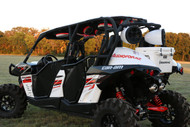
How to Choose the Right Audio System for Your UTV
There’s something about riding an UTV that already feels freeing — the open air, the dirt trails, the engine noise, the places you can reach that most vehicles never will. Adding music to that experience can make long rides more enjoyable, whether you’re out in the desert, on wooded trails, at a campsite, or just cruising around with friends.
But choosing an audio system for an UTV isn’t as simple as buying a regular set of speakers. Off-road conditions are rough. Dust, mud, vibration, water, and engine noise all affect how well an audio system performs. The best setup is one that matches the way you ride, your budget, and the environment you’ll be using it in.
Start With Your Riding Style
Before comparing speakers or amplifiers, think about how you actually use your UTV.
If you mainly ride short distances around campsites or hunting property, a compact Bluetooth speaker bar may be all you need. Riders who spend entire weekends on trails often prefer a more powerful system with deeper sound and longer battery performance. Mud riders and extreme off-road enthusiasts usually need fully weatherproof equipment that can survive water crossings and heavy vibration.
Your riding style determines almost everything else — power needs, mounting options, durability, and even how much volume you’ll realistically need.
Weather Resistance Matters More Than Sound Quality
Many people focus on bass and volume first, but durability should come before anything else.
UTVs create harsh conditions for electronics. Water splashes, dust clouds, and constant vibration can quickly destroy equipment that wasn’t built for powersports use. When shopping for speakers or head units, look for products labeled water-resistant or marine-grade. These systems are designed to handle moisture, UV exposure, and rough riding conditions.
Even if you rarely ride in rain, dust alone can damage standard automotive speakers over time. Spending slightly more on weather-resistant equipment usually saves money in the long run.
Speaker Bars vs. Full Audio Systems
One of the biggest decisions is whether to install a simple speaker bar or build a larger audio setup.
Speaker bars are popular because they’re easy to install and don’t take up much space. Most connect through Bluetooth, mount to a roll bar or rack, and work well for casual riders. They’re ideal if you want straightforward audio without dealing with complex wiring.
Full systems are different. These setups may include multiple speakers, amplifiers, subwoofers, and dedicated control units. They produce louder, richer sound and perform better at higher speeds where engine and wind noise become a factor. However, they require more installation work and place greater demand on your UTV’s electrical system.
For many riders, the best balance is somewhere in the middle: a quality powered speaker bar combined with a small amplifier.
Don’t Ignore Power Requirements
UTVs have limited electrical capacity compared to cars or trucks. A powerful sound system can drain the battery quickly if the charging system can’t keep up.
Before buying equipment, check your UTV’s charging output and battery specifications. Large amplifiers and subwoofers may require upgraded batteries or stators, especially if you plan to run the system while the engine is idling.
If you mostly ride during the day and use moderate volume levels, a smaller system will usually be more practical and reliable.
Mounting and Space Considerations
Unlike cars, UTVs don’t offer much protected storage space. Every component has to fit securely without interfering with riding comfort or safety.
Measure mounting areas carefully before ordering equipment. Handlebars, front racks, rear cargo racks, and roll cages are common mounting points depending on the UTV model. Make sure the system won’t block visibility, restrict movement, or become loose during rough riding.
Low-profile systems are often better than oversized setups because they’re less likely to get damaged on trails.
Bluetooth Convenience vs. Wired Reliability
Most modern UTV audio systems rely on Bluetooth connectivity, and for good reason. Wireless streaming is simple and allows riders to control music directly from a phone.
That said, Bluetooth can occasionally lose connection in areas with interference or when phones are stored far from the receiver. Some riders still prefer systems with auxiliary inputs or USB playback options as backups.
If you ride in remote areas for long periods, having multiple playback options can be surprisingly useful.
Sound Quality in the Real World
Audio always sounds different outdoors than it does in a garage or showroom.
On an UTV, wind noise, helmets, engines, and trail conditions all compete with your music. A system that sounds amazing indoors may struggle once you’re moving at speed.
Instead of focusing only on bass, pay attention to clarity and volume efficiency. Clear mids and highs often matter more than deep low-end frequencies during trail riding because they cut through ambient noise better.
Budget Realistically
A good UTV audio system doesn’t have to be expensive, but extremely cheap systems often fail quickly in off-road conditions.
It’s usually smarter to buy fewer high-quality components than a large number of low-end ones. A durable powered speaker bar from a trusted powersports brand may outperform a complicated budget setup that constantly needs repairs.
Also remember to budget for wiring kits, mounting hardware, switches, and weatherproof connectors. These smaller items are easy to overlook but make a major difference in long-term reliability.
Final Thoughts
Choosing the right UTV audio system is really about balance. The loudest or most expensive setup isn’t automatically the best one. What matters is finding equipment that fits your riding habits, survives the environment, and delivers enjoyable sound without creating constant maintenance problems.
For casual riders, a compact Bluetooth speaker system may be perfect. For long trail rides or group outings, investing in a more powerful setup can completely change the experience.
The best audio system is the one that keeps working ride after ride — no matter how dusty, muddy, or rough the trail gets.