

Personal Watercraft Safety Protocols Every Rider Should Know
Personal watercraft, often referred to as PWCs or jet skis, offer one of the most exciting ways to enjoy the water. Their speed, agility, and ease of operation make them popular for riders of all experience levels. However, with that excitement comes responsibility. Understanding and following proper personal watercraft safety protocols is essential for protecting yourself, your passengers, and everyone else on the water.
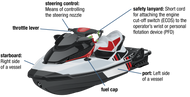
One of the most important safety habits begins before the engine even starts. Every rider should inspect their personal watercraft before heading out on the water. Checking fuel levels, steering response, throttle operation, and emergency shut-off systems can help prevent mechanical problems during a ride. It is also important to verify that all required safety equipment is onboard and functioning properly.
Wearing a properly fitted life jacket is one of the most critical safety requirements for PWC riders. Even experienced swimmers can become injured, disoriented, or exhausted if they unexpectedly enter the water. A Coast Guard-approved life jacket provides essential flotation and should be worn at all times while operating or riding on a personal watercraft. Riders should also avoid loose clothing that could become caught in equipment or restrict movement during operation.
Understanding how personal watercraft handle is another major part of safe riding. Unlike many traditional boats, most PWCs require throttle power in order to steer effectively. New riders sometimes panic and release the throttle completely when trying to avoid an obstacle, which can reduce steering control. Learning how the craft responds during acceleration, turning, and stopping helps riders maintain better control in emergency situations.
Speed management is equally important. Personal watercraft are capable of high speeds, but operating too fast in crowded areas or unfamiliar waterways increases the risk of accidents. Riders should always adjust speed based on water conditions, visibility, traffic, and local regulations. Maintaining a safe distance from swimmers, docks, boats, and other watercraft helps prevent dangerous collisions.
Weather awareness is another essential safety protocol that is often overlooked. Conditions on the water can change quickly, especially during summer afternoons when storms may develop unexpectedly. Strong winds, rough waves, lightning, and limited visibility can create hazardous riding conditions. Checking weather forecasts before leaving shore and paying attention to changing conditions throughout the day can help riders avoid dangerous situations.
Many accidents involving personal watercraft occur because of inexperience or lack of training. Taking a boating safety course can help riders better understand navigation rules, emergency procedures, and safe operating practices. Even experienced riders benefit from refresher courses that reinforce proper habits and awareness on the water.
Passengers also play a role in overall safety. Riders should make sure passengers understand how to properly sit, hold on, and balance during operation. Abrupt movements or improper positioning can affect the stability and handling of the watercraft. Communication between the operator and passengers is especially important during higher-speed riding or rough water conditions.
Emergency preparedness is another key aspect of responsible PWC ownership. Carrying basic safety items such as a whistle, fire extinguisher, tow rope, waterproof communication device, and first aid kit can make a major difference in unexpected situations. Riders should also inform someone onshore about their planned route and expected return time before heading out on the water.
Alcohol and personal watercraft operation should never mix. Impaired judgment, slower reaction times, and reduced coordination significantly increase the likelihood of accidents. Operating a PWC under the influence is not only dangerous but also illegal in many areas.
In the end, personal watercraft safety comes down to preparation, awareness, and responsible riding habits. PWCs are designed to provide fun and excitement, but safe operation ensures that everyone can enjoy the water responsibly. By following proper safety protocols, riders can reduce risks, protect others, and create a safer environment for everyone sharing the waterways.