

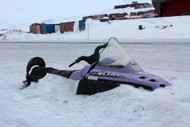
How to Mechanically Troubleshoot a Snowmobile
When a snowmobile starts acting up, many riders immediately assume the engine is failing or that an expensive repair is around the corner. In reality, a large percentage of snowmobile problems come from relatively simple mechanical or electrical issues that can be identified with a little patience and a systematic approach. Troubleshooting a snowmobile mechanically is less about guessing and more about narrowing down the possible causes step by step until the real problem becomes obvious.
The first thing to understand is that every snowmobile engine depends on three basic things to operate properly: fuel, spark, and compression. If one of those is missing or weak, the machine will either run poorly or refuse to start altogether. That’s why experienced mechanics almost always begin troubleshooting by checking the basics instead of immediately tearing the machine apart. Sometimes the problem is as simple as stale fuel, a weak battery, a disconnected wire, or worn spark plugs.
Fuel-related problems are among the most common issues riders face, especially after a snowmobile has been sitting in storage during the off-season. Old gasoline can break down over time and leave varnish deposits inside carburetors or injectors, restricting fuel flow and causing hard starting, rough idle, hesitation, or bogging under acceleration. In some cases, moisture can also contaminate the fuel system, particularly in colder climates where condensation forms inside fuel tanks. If the engine cranks but struggles to fire consistently, checking fuel quality and inspecting the fuel lines, filter, and carburetors is often a smart place to start.
Spark plugs can also reveal a surprising amount of information about engine health. Removing and inspecting the plugs can help determine whether the engine is running rich, lean, flooded, or not receiving fuel at all. Wet plugs may indicate flooding or weak ignition, while dry plugs may suggest fuel starvation. A healthy ignition system should produce a strong blue spark when tested properly. Weak or inconsistent spark may point toward failing coils, damaged wiring, a bad stator, or even a weak battery that cannot provide enough voltage in cold weather.
One mistake many riders make is focusing only on the engine while ignoring the drivetrain. Snowmobiles rely heavily on their clutch system and drive belt, and worn components in those areas can create symptoms that feel like engine trouble. A slipping belt can reduce acceleration, create jerking sensations during engagement, or cause the machine to lose top speed. Clutches that stick or wear unevenly may also create inconsistent power delivery. Inspecting the belt for glazing, cracks, or missing material is an important part of troubleshooting that often gets overlooked.
Listening carefully to how the snowmobile behaves can also help identify mechanical problems faster. Engines that bog under throttle may be suffering from fuel delivery restrictions or intake leaks. Backfiring and popping noises can indicate lean fuel mixtures, ignition timing problems, or exhaust leaks. Overheating issues may come from low coolant levels, damaged water pumps, thermostat failures, or simply poor snow conditions that reduce cooling efficiency. In many cases, the machine itself provides clues through changes in sound, vibration, or throttle response.
Electrical problems tend to be some of the most frustrating issues because they can appear intermittently and may only happen under certain conditions. Cold temperatures are especially hard on weak electrical systems. Corroded connectors, damaged grounds, frayed wires, or failing voltage regulators can create unpredictable behavior that is difficult to trace. Sometimes a snowmobile may start perfectly in a warm garage but fail completely once exposed to freezing outdoor temperatures. Careful inspection of wiring and battery connections is often necessary when chasing electrical gremlins.
If fuel and ignition systems appear to be functioning properly but the engine still runs poorly, a compression test may be necessary to evaluate internal engine health. Low compression can indicate worn piston rings, cylinder scoring, damaged pistons, or blown gaskets. Two-stroke engines are especially sensitive to compression loss, and uneven compression between cylinders often points toward developing engine damage. While internal engine repairs can become more complex, a simple compression test can quickly reveal whether the problem is mechanical rather than electrical or fuel-related.
One of the best ways to avoid major troubleshooting situations altogether is through regular maintenance. Snowmobiles operate in harsh environments where cold temperatures, moisture, vibration, and high RPMs constantly stress components. Simple maintenance tasks like replacing spark plugs, cleaning clutches, changing chaincase oil, checking coolant levels, inspecting the drive belt, and stabilizing fuel during storage can prevent many common breakdowns before they happen.
Mechanical troubleshooting ultimately comes down to patience and logic. Rather than replacing random parts and hoping for the best, experienced riders work through the machine systematically, checking each system individually until the source of the problem becomes clear. Most snowmobile issues are manageable when approached calmly and methodically, and learning how to diagnose those problems yourself can save both time and money while making you more confident on the trail.