
How to Avoid Flipping Your Jet Ski
Riding a jet ski is an exciting way to enjoy the water, but maintaining control is an important part of staying safe and confident while riding. One of the most common concerns for newer riders is the possibility of flipping the jet ski, especially during turns, rough water conditions, or sudden movements. While personal watercraft are designed to be stable, improper riding techniques and inexperience can increase the chances of tipping or rolling over. Understanding how jet skis handle and practicing proper riding habits can help riders avoid unnecessary accidents and enjoy a smoother experience on the water.
One of the biggest causes of jet ski flips is excessive speed combined with aggressive turning. Personal watercraft are designed to carve through the water, but entering a sharp turn too quickly can destabilize the machine and throw the rider off balance. New riders should practice making wide, controlled turns at moderate speeds before attempting tighter maneuvers. Gradually learning how the jet ski responds during acceleration and turning helps build confidence and control.
Body positioning also plays a major role in maintaining stability. Riders should lean slightly into turns rather than remaining stiff or leaning the wrong direction. Proper weight distribution helps the jet ski stay balanced and maintain traction in the water. Sudden shifts in body weight, especially when riding with passengers, can make the watercraft feel unstable and increase the risk of tipping.
Water conditions can significantly affect handling as well. Rough water, large wakes, and choppy conditions make a jet ski less predictable, particularly for beginners. Riders should slow down when crossing wakes or riding through rough areas to maintain better control. Attempting sharp turns or high-speed maneuvers in uneven water conditions can quickly lead to instability.
Passenger behavior is another factor that many riders overlook. When carrying passengers, everyone on the jet ski should understand how to sit properly and move with the rider during turns. Unexpected movement from a passenger can shift the balance of the watercraft and make it harder to control. Communication between the operator and passengers helps ensure smoother riding and safer handling.
Understanding throttle control is essential for avoiding flips. Unlike traditional boats, jet skis rely heavily on throttle power for steering and stability. Abruptly releasing the throttle during a turn can reduce steering effectiveness and make the watercraft harder to control. Smooth and controlled throttle input allows the jet ski to maintain better balance and maneuverability.
Beginners should also avoid attempting tricks or aggressive riding techniques too early. Sharp spins, wave jumping, and fast directional changes may look exciting, but they require experience and understanding of how the jet ski reacts in different situations. Building solid riding fundamentals first greatly reduces the risk of accidents and helps riders gain confidence gradually.
Maintaining a proper riding posture can also improve overall control. Keeping knees slightly bent and maintaining a relaxed grip on the handlebars allows riders to absorb movement from waves more effectively. Looking ahead rather than focusing directly in front of the jet ski also improves reaction time and helps riders anticipate changing water conditions.
Proper maintenance can contribute to stability as well. Damaged steering systems, worn impellers, or debris stuck in the intake grate can affect handling and responsiveness. Regular inspections help ensure the jet ski performs as intended and responds predictably during operation.
Safety equipment remains important even for experienced riders. Wearing a properly fitted life jacket and using the safety lanyard can help protect riders in the event of a fall or rollover. These basic safety habits should always be part of responsible personal watercraft operation.
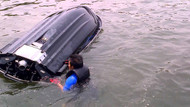
In the end, avoiding a jet ski flip comes down to smooth riding techniques, awareness, and experience. Most flips happen because of excessive speed, poor balance, rough conditions, or aggressive maneuvering beyond the rider’s skill level. By practicing controlled riding habits and learning how the watercraft responds in different conditions, riders can enjoy a safer and more enjoyable experience every time they head out on the water.