
Choosing the Right Snowmobile Trail for Your Ride
One of the best parts of snowmobiling is the ability to explore winter landscapes that most people never get to see. From winding forest routes and frozen lakes to mountain passes and remote backcountry terrain, every trail offers a different kind of riding experience. But choosing the right snowmobile trail is about more than simply finding snow on a map. The trail you choose can affect your safety, comfort, confidence, and overall enjoyment throughout the day.
For many riders, especially beginners, one of the biggest mistakes is choosing a trail that is too difficult too early. Snowmobile trails can vary dramatically in terrain, elevation, snow conditions, and technical difficulty. Some trails are wide, smooth, and carefully groomed for casual riding, while others may involve steep climbs, sharp turns, deep powder, rough terrain, or isolated backcountry sections. Understanding your own skill level is one of the most important parts of selecting a trail that matches your abilities.
Beginner riders usually enjoy groomed trails that are clearly marked and regularly maintained. These trails tend to provide smoother riding conditions and fewer surprises, allowing new riders to focus on handling the machine and building confidence. Groomed trails are also more forgiving when weather conditions change, which can make a major difference during longer rides. Experienced riders may seek out more technical terrain or deep snow conditions, but even advanced riders often appreciate well-maintained trail systems for longer touring trips.
Weather and snow conditions play a huge role in determining whether a trail will provide a good riding experience. A trail that was excellent one week may become icy, rough, or difficult after changing temperatures or heavy snowfall. Fresh snow can improve traction and ride quality, while freeze-thaw cycles may create hard-packed surfaces that feel far more aggressive and unpredictable. Before heading out, many riders check trail reports, snowfall totals, grooming updates, and weather forecasts to avoid unpleasant surprises once they reach the trailhead.
The type of snowmobile you ride should also influence your trail selection. Trail sleds are designed for groomed routes and higher-speed cruising, while mountain sleds are built for deep powder and steep terrain. Utility snowmobiles may handle rough conditions well but are often heavier and slower on tight trails. Riding a machine outside of its intended environment can quickly reduce comfort and performance. Matching your sled to the terrain helps create a smoother and more enjoyable experience overall.
Distance is another important factor riders sometimes underestimate. Some trail systems stretch for hundreds of miles, and long rides can become physically exhausting, especially in cold weather. New riders may prefer shorter loops with nearby fuel stops, warming shelters, or towns along the route. More experienced riders often enjoy full-day adventures or multi-day touring trips, but even seasoned snowmobilers understand the importance of planning fuel stops, rest breaks, and emergency options before heading into remote areas.
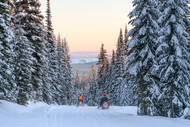
Scenery and riding style also influence trail selection more than many people realize. Some riders enjoy fast, open sections where they can cover long distances quickly, while others prefer scenic wooded trails, mountain views, or frozen lakes with slower, more relaxed riding. Choosing a trail that matches the type of experience you want can make the entire trip far more enjoyable. For some people, snowmobiling is about adrenaline and technical riding, while for others it is more about exploring nature and spending time outdoors with friends or family.
Safety should always remain part of the decision-making process when selecting a trail. Remote or unfamiliar trails may involve limited cell service, changing weather conditions, wildlife encounters, or avalanche risks in mountainous regions. Riding with a group, carrying emergency supplies, and understanding local trail conditions are all important parts of responsible snowmobiling. Even experienced riders can run into unexpected situations if they are unprepared for changing conditions.
Trail traffic is another factor worth considering, especially during weekends or peak riding season. Popular trails near major snowmobiling destinations can become crowded, which may reduce ride quality and increase the chances of accidents or trail damage. Some riders intentionally choose less crowded routes or ride during off-peak times to enjoy a quieter and more relaxed experience on the snow.
Ultimately, choosing the right snowmobile trail comes down to balancing skill level, machine capability, weather conditions, distance, and personal riding preferences. The best rides are often the ones where riders feel confident, prepared, and able to fully enjoy the surroundings instead of constantly struggling with terrain or conditions beyond their comfort zone. Snowmobiling offers incredible opportunities for adventure and exploration, and selecting the right trail helps ensure that every trip becomes a memorable experience for the right reasons.