
Choosing the Best Type of Helmet for Winter Sports
When it comes to winter sports, having the right helmet is one of the most important pieces of equipment a rider or athlete can invest in. Whether you enjoy snowmobiling, skiing, snowboarding, ice racing, or other cold-weather activities, a quality helmet does far more than simply provide head protection. The right helmet improves comfort, warmth, visibility, and confidence while helping reduce the risk of serious injury during unpredictable winter conditions. However, not all winter sports helmets are designed the same way, and choosing the best type depends heavily on the activity, riding style, and environment.
One of the biggest factors to consider when selecting a winter sports helmet is the type of activity you participate in most often. Snowmobile helmets, for example, are designed very differently from ski or snowboard helmets because snowmobilers experience higher speeds, greater wind exposure, and more aggressive weather conditions. Snowmobile helmets often feature full-face protection, insulated liners, breath deflectors, and heated visor options to combat freezing temperatures and fogging. Ski and snowboard helmets, on the other hand, are generally lighter and more ventilated because they are designed for active movement and shorter periods of high-speed exposure.
For snowmobiling, full-face helmets are widely considered one of the best choices for protection and cold-weather comfort. These helmets fully enclose the head and face, shielding riders from wind, snow, ice, and flying debris. Riding at high speeds in freezing temperatures can quickly become uncomfortable without proper face protection, and full-face helmets help retain warmth while improving visibility during snowstorms or icy trail conditions. Many modern snowmobile helmets also include dual-pane shields or electric heated visors that help prevent fogging, which is one of the most common frustrations riders face during cold-weather riding.
Modular helmets have also become increasingly popular among snowmobile riders because they combine protection with convenience. A modular design allows the front chin section to flip upward, making it easier to communicate, drink water, or cool down during breaks without removing the entire helmet. Many riders appreciate the flexibility modular helmets provide, especially during long rides or changing weather conditions. However, some riders still prefer traditional full-face designs because they often provide slightly better sealing against cold air and snow intrusion.
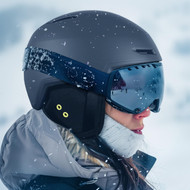
For skiing and snowboarding, lightweight helmets with strong ventilation systems are often the preferred choice. Unlike snowmobiling, skiing and snowboarding involve constant physical activity, which means overheating can become an issue if a helmet traps too much heat. Ski and snowboard helmets are designed to balance warmth with breathability, helping athletes remain comfortable while staying protected during falls or collisions. Many modern snow sport helmets feature adjustable vents that allow riders to regulate airflow depending on weather conditions and activity level.
Fit is one of the most important aspects of any winter sports helmet. A helmet that is too loose may shift during impact or fail to provide proper protection, while one that is too tight can become uncomfortable and distracting over long periods. The best helmets fit snugly without creating pressure points and remain secure during movement. Many manufacturers now offer adjustable fit systems that allow riders to fine-tune helmet sizing for improved comfort and stability.
Ventilation is another feature riders should carefully consider. Winter sports often involve changing temperatures, physical exertion, and moisture buildup inside the helmet. Poor ventilation can lead to fogging, sweat accumulation, and discomfort, while excessive airflow may leave riders too cold in harsh conditions. High-quality winter helmets typically use carefully designed vent systems to balance airflow and insulation depending on the intended activity.
Safety certifications also play an important role when selecting a helmet. Riders should always choose helmets that meet recognized safety standards appropriate for their sport. Certified helmets are tested for impact resistance and overall protective performance, helping ensure the helmet can properly absorb energy during crashes or falls. While style and comfort are important, protection should always remain the highest priority.
Materials and construction quality can vary significantly between helmets as well. Premium helmets often use lightweight composite materials that reduce neck fatigue while still providing excellent impact protection. Advanced foam liners and rotational impact technologies have also become more common in modern helmet design, helping improve safety during angled impacts and rotational forces that can occur during crashes.
Goggle compatibility is another factor many winter athletes consider. Skiers, snowboarders, and snowmobilers all rely heavily on goggles for visibility and eye protection. A helmet that integrates properly with goggles helps eliminate gaps that allow cold air or snow inside while reducing fogging issues. Many modern helmets are specifically shaped to work seamlessly with popular goggle designs.
Ultimately, the best type of helmet for winter sports is the one that properly matches the activity, weather conditions, and individual rider preferences. Snowmobilers typically benefit from insulated full-face or modular helmets built for extreme cold and high speeds, while skiers and snowboarders often prefer lightweight helmets with balanced ventilation and comfort. Regardless of the specific sport, investing in a high-quality helmet is one of the smartest decisions any winter athlete can make. The right helmet not only improves safety but also enhances comfort, focus, and confidence throughout every ride or run on the snow.
Check out our snow helmets: https://sparkpowersports.com/helmets/snow/-1/