

Motorcycle Safety Tips for New Riders
Starting your journey as a motorcycle rider is exciting, but it also comes with a responsibility to prioritize safety from day one. Motorcycling offers freedom and enjoyment that few other forms of transportation can match, yet it also requires awareness, discipline, and good habits to stay safe on the road. For new riders especially, building strong safety practices early can make a significant difference in confidence, control, and long-term riding success.
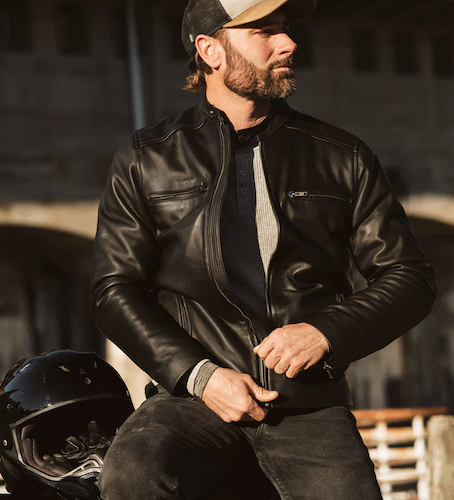
One of the most important safety tips for new riders is to always wear proper protective gear, regardless of the length or purpose of the ride. Even short trips can involve unexpected hazards, and having the right gear significantly reduces the risk of injury. A well-fitted helmet, protective jacket, gloves, riding pants, and sturdy boots form the foundation of safe riding. Choosing gear designed specifically for motorcycles ensures better abrasion resistance, impact protection, and comfort compared to everyday clothing.
Understanding your motorcycle and its controls is another key safety factor. Before riding in traffic, new riders should spend time becoming fully familiar with how the motorcycle responds to throttle input, braking, clutch control, and steering. Practicing in a safe, open area helps build muscle memory and allows you to develop smoother, more controlled inputs. Confidence in handling your motorcycle directly contributes to safer decision-making on the road.
Maintaining a safe speed is essential, especially during the learning phase. Riding too fast for your skill level or road conditions can quickly lead to dangerous situations. New riders should focus on riding within their comfort zone and gradually increasing speed only as their skills improve. It’s important to remember that safety is not about keeping up with traffic at all costs, but about maintaining control and awareness at all times.
Situational awareness plays a major role in motorcycle safety. Unlike cars, motorcycles are smaller and less visible, which means riders must actively anticipate the actions of other road users. Constantly scanning the road ahead, checking mirrors, and being aware of surrounding vehicles helps reduce the risk of collisions. New riders should develop the habit of looking well ahead rather than focusing only on the immediate area in front of the bike.
Proper use of braking techniques is another critical skill. Many beginners rely too heavily on one brake or apply braking force too suddenly, which can affect stability. Learning to use both front and rear brakes smoothly and progressively helps maintain control during stops and emergency situations. Practicing braking in a controlled environment can build confidence and improve reaction time when it matters most.
Lane positioning is also an important safety consideration. Riding in the correct portion of the lane can improve visibility and give you more space to react to potential hazards. Avoid lingering in blind spots of other vehicles and position yourself where you are most visible to drivers. Being proactive about visibility can significantly reduce the risk of being overlooked by other road users.
Weather and road conditions should never be underestimated. Wet roads, gravel, sand, and uneven surfaces can greatly reduce traction and increase stopping distances. New riders should adjust their speed and riding style based on conditions, allowing extra time and space for braking and maneuvering. Developing the habit of riding defensively in all conditions is one of the most important long-term safety skills.
Another key tip is to avoid distractions while riding. Unlike driving a car, riding a motorcycle requires full attention and both hands on the controls at all times. Phones, navigation adjustments, or other distractions should be handled before starting the ride or during a safe stop. Staying focused helps ensure that you can respond quickly to changes in traffic or road conditions.
New riders should also avoid overconfidence, which can develop quickly as basic skills improve. While early progress can feel encouraging, it’s important to continue riding within your limits and avoid pushing beyond your experience level. Many accidents occur when riders attempt maneuvers or speeds they are not yet fully prepared for. Gradual skill development is the safest and most effective approach.
Finally, ongoing learning is an important part of motorcycle safety. Taking advanced riding courses, practicing regularly, and learning from experienced riders can greatly improve skill and awareness. Safety is not a one-time lesson but an ongoing commitment to improving your abilities and understanding of the road.
Motorcycle safety is built on habits, awareness, and preparation. By wearing the right gear, practicing control, staying alert, and respecting your limits, new riders can significantly reduce risks and enjoy a more confident riding experience. Every ride is an opportunity to improve, and developing strong safety habits early will pay off for years to come.
Explore our collection of motorcycle helmets, riding gear, safety accessories, and protective equipment designed to help new riders stay safe, confident, and well-prepared on every journey.
Shop Apparel and Gear: https://sparkpowersports.com/apparel-and-gear/