
Motorcycle License Requirements Explained in the United States
Getting a motorcycle license in the United States is an important step for anyone who wants to ride legally on public roads, and while the process is fairly similar across the country, it can vary slightly from state to state. Each state’s Department of Motor Vehicles (DMV) or equivalent agency sets its own rules, but most follow a common structure that includes a learner’s permit, rider education, and a skills test or certification. Understanding how the process generally works can help new riders prepare with confidence and avoid surprises along the way.
In most states, the first step is obtaining a motorcycle learner’s permit. This permit allows new riders to begin practicing under certain restrictions before they are fully licensed. To qualify, applicants typically need to pass a written knowledge exam that covers road rules, traffic signs, and basic motorcycle safety concepts. Some states may also require a vision test. The learner’s permit usually comes with limitations such as not riding at night, not carrying passengers, and avoiding certain high-speed highways. These restrictions are designed to help beginners build skills in lower-risk environments.
Once a learner’s permit is issued, riders are generally expected to gain practical riding experience. This stage is crucial because it allows new motorcyclists to develop essential skills such as balancing, braking, turning, shifting, and navigating traffic situations. Many riders choose to practice in empty parking lots or low-traffic areas to build confidence before riding in more complex conditions. The amount of required practice time can vary depending on the state, but consistent riding practice is one of the most important parts of becoming a safe motorcyclist.
A major component of the licensing process in many U.S. states is the motorcycle skills test. This test evaluates a rider’s ability to safely operate a motorcycle in controlled or real-world conditions. Riders are typically assessed on tasks such as slow-speed control, turning, stopping, lane positioning, and obstacle avoidance. Successfully passing this test demonstrates that a rider has the basic skills needed to handle everyday road situations safely and responsibly.
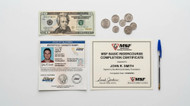
However, many states offer an alternative route through approved motorcycle safety courses. These courses are often provided by organizations such as the Motorcycle Safety Foundation (MSF) and include both classroom instruction and hands-on riding practice. Completing a certified safety course may allow riders to skip the DMV skills test entirely and receive a motorcycle endorsement upon completion. These courses are highly recommended for new riders because they provide structured training in a controlled environment and emphasize real-world safety techniques.
Age requirements for a motorcycle license in the United States also vary by state. Most states require riders to be at least 16 years old to obtain a learner’s permit, though some may require riders to be older before receiving a full motorcycle endorsement. Younger riders may face additional restrictions, such as limits on engine size or passenger privileges. These rules are intended to ensure that riders gain experience gradually and safely over time.
In addition to testing and training requirements, riders must also meet standard identification and documentation requirements. This typically includes proof of identity, residency, and legal presence in the United States. There are usually fees associated with permit applications, testing, and licensing, which also vary by state. It is important to check with your local DMV for the exact requirements and costs in your area before beginning the process.
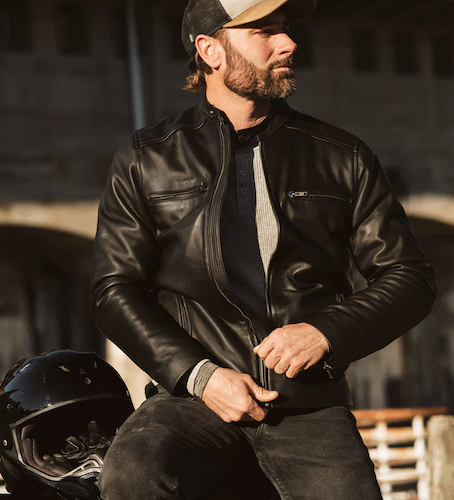
Another key requirement in most states is proper protective gear during training and testing. A DOT-approved helmet is required in many states, while gloves, boots, and protective clothing are strongly recommended for both safety and control. Wearing the right gear not only helps meet legal requirements but also builds safe riding habits from the very beginning of a rider’s journey.
It’s important to remember that motorcycle licensing laws in the United States are not completely uniform. While the overall structure is similar nationwide, details such as permit restrictions, testing procedures, and safety course acceptance can differ significantly between states. Riders should always verify current regulations with their specific state DMV or licensing authority to ensure they are following the correct process.
Obtaining a motorcycle license is more than just a legal formality—it is an important step in becoming a safe and responsible rider. The combination of written knowledge, practical training, and skills testing is designed to prepare new motorcyclists for real-world riding conditions and reduce the risk of accidents. Taking the time to learn properly and follow the licensing process helps ensure a safer and more enjoyable riding experience.
Explore our selection of beginner motorcycle gear, DOT-approved helmets, jackets, gloves, boots, and safety essentials designed to help new riders prepare for licensing, training, and confident riding on U.S. roads.
Shop Apparel and Gear: https://sparkpowersports.com/apparel-and-gear/