
Leather vs Textile Motorcycle Jackets: Which One Should You Choose?
Choosing between a leather and textile motorcycle jacket is one of the most common decisions riders face when building their gear setup. Both options offer strong protection and have improved significantly over the years, but they perform differently depending on your riding style, climate, and expectations for comfort and versatility. Understanding the strengths and limitations of each can help you choose a jacket that feels right every time you ride.
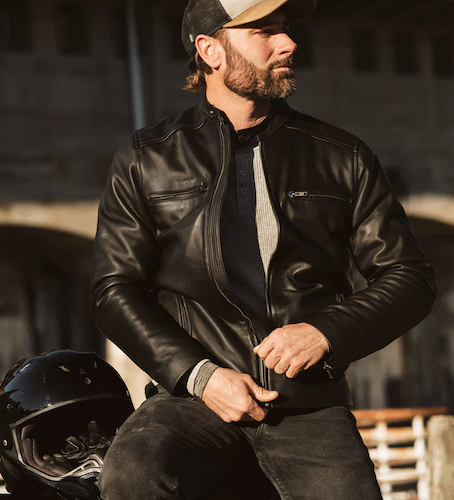
Leather motorcycle jackets have long been associated with motorcycling culture, and for good reason. Leather offers excellent abrasion resistance, which is one of the most important factors in rider protection during a slide. A well-made leather jacket can provide a high level of durability and a close, secure fit that many riders appreciate, especially those on sport or performance bikes. Leather also tends to mold to the rider over time, creating a personalized fit that becomes more comfortable the more it is worn. In addition to protection, leather has a timeless look that many riders value, making it as much a style statement as a functional piece of gear.
However, leather does have some limitations. It can feel heavy compared to textile materials, especially during long rides, and it does not always perform well in hot or wet conditions. Without proper ventilation, leather jackets can become warm in summer temperatures, and they typically require more care to maintain their condition over time. While treated leather can offer some water resistance, it is generally not the most practical choice for riders who frequently encounter rain or changing weather conditions.
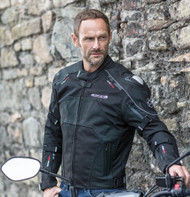
Textile motorcycle jackets, on the other hand, are designed with versatility in mind. Modern textile gear is made from advanced synthetic materials that can offer impressive abrasion resistance while remaining lightweight and comfortable. One of the biggest advantages of textile jackets is their adaptability to different weather conditions. Many models come equipped with removable thermal liners, waterproof membranes, and large ventilation panels, making them suitable for year-round riding in a variety of climates.
Comfort is another area where textile jackets often stand out. Because they are generally lighter and more flexible than leather, they can feel less restrictive during long rides or daily commuting. This makes them especially popular among touring riders and commuters who need gear that performs well in changing conditions throughout the day. Textile jackets also tend to include more practical features such as multiple storage pockets, adjustable fit systems, and integrated rain protection.
While textile jackets offer excellent functionality, some riders feel they lack the classic look and natural abrasion feel of leather. Although modern materials have closed much of the performance gap, leather is still often preferred by riders who prioritize maximum slide resistance and a traditional aesthetic. Textile gear may also show wear differently over time, whereas leather tends to develop a distinct patina that many riders find appealing.
When it comes to safety, both leather and textile jackets can provide strong protection when properly designed and certified. Many modern jackets in both categories include CE-rated armor in key impact zones such as the shoulders, elbows, and back. The real difference often comes down to how the material behaves in different riding environments rather than a simple question of which is safer overall.
Your riding style plays a major role in deciding between the two. Sport riders and those who enjoy aggressive riding on paved roads often gravitate toward leather for its tight fit and high abrasion resistance. Touring and adventure riders, as well as daily commuters, tend to prefer textile jackets for their comfort, weather protection, and practicality over long distances.
Climate is another important factor. Riders in warmer or more variable climates often benefit from the ventilation and adaptability of textile jackets, while those in consistently dry conditions may find leather more suitable. In colder weather, both materials can work well when paired with appropriate layering systems, but textile jackets typically offer more built-in insulation options.
Ultimately, there is no universal winner in the leather versus textile debate. Both materials have evolved to meet the demands of modern riders, and each offers a unique balance of protection, comfort, and style. The best choice depends on how you ride, where you ride, and what kind of experience you want on the road.
Explore our collection of leather and textile motorcycle jackets to find the perfect balance of protection, comfort, and style for your next ride.
Shop Leather and Textile Jackets: https://sparkpowersports.com/apparel-and-gear/jackets-and-tops/