
How to Measure Your Head for a Motorcycle Helmet
Choosing the right motorcycle helmet starts with one of the most important steps in the buying process: measuring your head correctly. A helmet can have the latest safety certifications, advanced features, and premium materials, but if it doesn't fit properly, it won't provide the level of comfort or protection it was designed to deliver. Whether you're purchasing your first helmet or replacing an old one, taking a few minutes to measure your head accurately can help ensure you find the perfect fit.
A properly fitting motorcycle helmet should feel snug and secure without causing pain or excessive pressure points. It should stay firmly in place while riding and keep the protective liner and shell positioned correctly in the event of an impact. Many riders make the mistake of choosing a helmet based on their clothing size or simply guessing their helmet size, which can lead to discomfort and reduced effectiveness.
The good news is that measuring your head for a motorcycle helmet is simple and requires only a flexible measuring tape. If you don't have a cloth measuring tape available, you can use a piece of string and then measure it against a ruler or tape measure afterward.
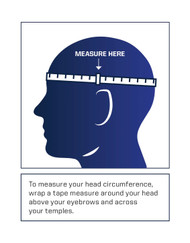
To begin, wrap the measuring tape around the largest part of your head. This is typically about one inch above your eyebrows and just above your ears. Make sure the tape remains level around your head and is snug without being overly tight. The goal is to measure the widest circumference of your head, as this number will be used to determine your helmet size.
Once you've taken the measurement, record the result in either inches or centimeters, depending on the sizing chart provided by the helmet manufacturer. Most motorcycle helmet brands publish detailed size charts that match head circumference measurements to specific helmet sizes such as Small, Medium, Large, or Extra Large. Since sizing can vary slightly between brands, it's always important to consult the specific size chart for the helmet you're considering.
While head circumference is the primary measurement, head shape also plays a significant role in helmet fit. Most riders fall into one of three general head shape categories: round oval, intermediate oval, or long oval. An intermediate oval shape is the most common, but understanding your head shape can help you select a helmet that feels comfortable and avoids pressure points. A helmet that matches your head shape will typically provide a more secure and comfortable fit than one designed for a different profile.
When you first try on a helmet, it should feel snug around your entire head. The cheek pads should make gentle contact with your cheeks, and the helmet should not move excessively when you shake your head from side to side. A new helmet may feel slightly tighter than expected because interior padding tends to break in and compress slightly over time. However, the helmet should never cause painful pressure or discomfort.
A simple fit test can help verify that you've chosen the correct size. With the chin strap securely fastened, gently try to move the helmet from side to side and up and down. Your skin should move with the helmet, and there should be minimal shifting. If the helmet rotates easily or feels loose, you may need a smaller size. If it creates excessive pressure or causes discomfort after a few minutes, a larger size or different helmet shape may be more appropriate.
It's also important to remember that different helmet styles can fit differently. Full-face, modular, open-face, and adventure helmets may each have unique fit characteristics depending on their design and intended use. Trying on multiple models whenever possible can help you find the best combination of comfort and protection.
Many experienced riders recommend wearing a new helmet indoors for 15 to 30 minutes before removing tags or taking it on a ride. This allows you to identify any pressure points or fit issues that may not be immediately noticeable during a quick fitting. A helmet that feels comfortable for several minutes is more likely to remain comfortable during longer rides.
Taking the time to measure your head correctly can save you from the frustration of ordering the wrong size and help ensure that your helmet performs as intended. A properly fitted helmet not only improves safety but also enhances comfort, reduces wind noise, and makes every ride more enjoyable.
Browse our collection of motorcycle helmets featuring detailed sizing charts, multiple shell sizes, and rider-friendly fit options. Whether you're looking for a full-face, modular, touring, sport, or adventure helmet, finding the right fit starts with the right measurement.
Shop Helmets: https://sparkpowersports.com/helmets/