

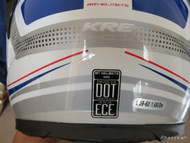
DOT vs ECE Helmet Certification Explained
When shopping for a motorcycle helmet, riders are often faced with a variety of safety labels and certifications. Two of the most common standards are DOT and ECE certification. While both are designed to ensure helmets meet specific safety requirements, many riders are unsure what these certifications mean and how they differ. Understanding DOT and ECE helmet standards can help you make a more informed decision when choosing the right helmet for your riding needs.
Helmet certifications exist to verify that a helmet has passed a series of tests designed to evaluate its ability to protect riders during an impact. These tests examine factors such as impact absorption, penetration resistance, retention system strength, and overall helmet construction. The goal is to ensure that helmets provide a minimum level of protection before they are sold to consumers.
DOT stands for the Department of Transportation, which establishes motorcycle helmet safety requirements in the United States. Helmets bearing a DOT certification are required to meet the standards outlined in Federal Motor Vehicle Safety Standard (FMVSS) 218. This certification focuses on impact protection, penetration resistance, and retention system performance. Manufacturers are responsible for certifying that their helmets comply with DOT requirements before selling them in the U.S. market.
ECE stands for Economic Commission for Europe and refers to a widely recognized helmet safety standard used in more than 50 countries around the world. The current version of the standard, ECE 22.06, is considered one of the most comprehensive motorcycle helmet certifications available today. Unlike DOT certification, ECE helmets undergo independent testing before they can receive approval for sale in participating countries.
One of the primary differences between DOT and ECE certification lies in the testing process. DOT operates largely on a self-certification system, meaning manufacturers certify that their helmets meet the required standards. Regulatory agencies can then conduct random compliance testing after helmets reach the market. ECE certification, on the other hand, requires third-party testing and approval before helmets can be sold under the ECE standard.
Another difference involves the types of impact tests performed. ECE testing generally includes a broader range of impact scenarios and evaluates helmets at multiple impact points and speeds. The newer ECE 22.06 standard also includes testing for rotational impacts, accessory compatibility, and additional real-world crash scenarios. These expanded requirements reflect ongoing efforts to improve rider protection as helmet technology evolves.
Despite these differences, both DOT and ECE certified helmets are designed to provide meaningful protection for riders. A properly fitted helmet that meets either certification standard is generally far safer than wearing no helmet at all. Many helmet manufacturers choose to design their products to meet both DOT and ECE standards, allowing them to be sold in multiple markets while demonstrating compliance with multiple safety requirements.
For riders in the United States, DOT certification is legally required for street use in most jurisdictions. However, many riders also seek helmets that carry ECE certification because of the additional testing and international recognition associated with the standard. Helmets that meet both DOT and ECE requirements often appeal to riders looking for maximum confidence in their protective equipment.
It's also important to remember that certification is only one part of helmet safety. Proper fit plays an equally important role in protection. A helmet that meets the highest safety standards may not perform as intended if it is too loose, too tight, or incorrectly sized. Riders should always prioritize fit, comfort, and proper helmet positioning when making a purchase.
Other certifications may also appear on certain helmets, including racing-focused standards and specialized testing programs. However, DOT and ECE remain two of the most widely recognized certifications for everyday street riders and represent important benchmarks for helmet safety.
As helmet technology continues to advance, manufacturers are developing new materials, impact-management systems, and comfort features that improve both protection and rider experience. Certifications such as DOT and ECE help ensure that these innovations meet established safety requirements before reaching consumers.
Ultimately, the choice between a DOT-certified helmet and an ECE-certified helmet often comes down to personal preference, riding style, and availability. Many of today's best helmets carry both certifications, providing riders with the benefits of multiple testing standards in a single product. The most important goal is selecting a high-quality helmet that fits properly and meets recognized safety standards.
Explore our collection of DOT and ECE-certified motorcycle helmets, including full-face, modular, touring, sport, and adventure models designed to deliver the protection, comfort, and confidence every rider deserves on the road.
Shop Helmets:
Shop Helmets: https://sparkpowersports.com/helmets/