

Common Beginner Riding Mistakes and How to Avoid Them
Learning to ride a motorcycle is an exciting experience, but like any new skill, it comes with a learning curve. Every experienced rider once made mistakes as a beginner, and many of those early errors are completely avoidable with the right knowledge and preparation. Understanding common beginner riding mistakes can help you build safer habits, improve your confidence, and enjoy your time on the road much more quickly.
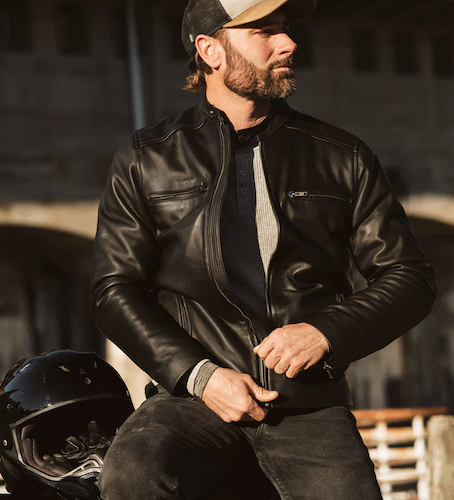
One of the most frequent mistakes new riders make is skipping proper gear or wearing inadequate protection. It’s easy to underestimate how important motorcycle-specific equipment is, especially on short rides or in good weather. However, even low-speed incidents can cause serious injuries without proper protection. The best way to avoid this mistake is to always wear a full set of riding gear, including a helmet, jacket, gloves, riding pants, and boots, regardless of trip length or familiarity with the route.
Another common issue is improper use of the front brake. Many beginners rely too heavily on the rear brake because they are nervous about applying too much pressure to the front. In reality, the front brake provides the majority of stopping power. Learning to use both brakes smoothly and confidently is essential for safe riding. Practicing controlled braking in a safe, open area can help you develop proper technique without the pressure of traffic.
Overconfidence or riding beyond skill level is another mistake that can lead to dangerous situations. As new riders gain initial confidence, they may be tempted to ride faster or take corners more aggressively than they should. This can quickly lead to loss of control, especially in unfamiliar conditions. The best way to avoid this is to gradually build your skills over time, riding within your limits and increasing difficulty only as your experience grows.
Poor cornering technique is also a common challenge for beginners. Many new riders either turn too sharply or fail to properly lean into corners, resulting in unstable or awkward handling. Smooth cornering requires proper body positioning, controlled speed, and looking through the turn rather than directly in front of the wheel. Practicing in low-traffic environments can help you develop better control and confidence in turns.
Another mistake beginners often make is not performing basic pre-ride checks. Tire pressure, fuel level, lights, and controls should always be checked before riding. Ignoring these simple inspections can lead to mechanical issues or unsafe riding conditions. Developing a quick pre-ride routine helps ensure your motorcycle is in proper working condition every time you set out.
New riders sometimes also struggle with poor throttle control. Abrupt acceleration or inconsistent throttle input can make the motorcycle feel jerky and unstable. Smooth, gradual throttle application is key to maintaining balance and control. Practicing in a controlled environment can help you develop a steady hand and better feel for how your motorcycle responds.
Another common mistake is looking down at the road directly in front of the motorcycle instead of scanning ahead. Where you look plays a major role in how you steer and react. Beginners often focus too closely on obstacles or immediate road conditions, which can limit reaction time. Training yourself to look ahead and scan the road allows for smoother steering and better anticipation of hazards.
Improper body positioning is another factor that can affect control. Beginners sometimes sit too rigidly or lean incorrectly during turns, which can impact balance and stability. Relaxing your body, keeping a comfortable grip on the handlebars, and maintaining proper posture all contribute to better handling and reduced fatigue.
Many new riders also underestimate the importance of weather and road conditions. Wet roads, gravel, sand, and uneven surfaces can significantly affect traction. Riding as if conditions are always perfect is a mistake that can lead to accidents. Adjusting speed, increasing following distance, and riding more cautiously in poor conditions are essential habits for safety.
Finally, one of the most overlooked beginner mistakes is not continuing to learn after getting a license. Riding skills improve with practice, but formal training courses, safety classes, and guidance from experienced riders can dramatically accelerate learning and improve safety awareness.
Avoiding these common beginner mistakes is not about perfection but about building good habits early. Motorcycling is a skill that develops over time, and every ride is an opportunity to improve. By focusing on proper technique, wearing the right gear, and staying aware of your surroundings, you can greatly reduce risks and enjoy a safer, more confident riding experience.
Explore our collection of beginner-friendly motorcycle gear, helmets, jackets, gloves, and safety essentials designed to help new riders stay protected and confident from their very first ride.
Shop Apparel and Gear: https://sparkpowersports.com/apparel-and-gear/