

A Beginner's Guide to Motorcycle Chain Maintenance
For many new motorcycle riders, chain maintenance can seem intimidating at first. Unlike fueling your bike or checking tire pressure, maintaining a motorcycle chain involves a few additional steps and requires a basic understanding of how the drivetrain works. Fortunately, motorcycle chain maintenance is one of the simplest and most valuable skills a rider can learn. Regular care not only helps extend the life of your chain and sprockets but also improves performance, enhances safety, and can save money on costly repairs down the road.
The motorcycle chain plays a crucial role in transferring power from the engine to the rear wheel. Every time you accelerate, the chain is responsible for delivering that power efficiently and smoothly. Because the chain is constantly exposed to dirt, dust, water, road debris, and changing weather conditions, it naturally experiences wear over time. Without proper maintenance, a chain can become dirty, dry, loose, or excessively worn, leading to reduced performance and potentially serious mechanical issues.
One of the most important aspects of chain maintenance is regular inspection. Riders should make it a habit to visually examine the chain before or after rides, especially if the motorcycle is used frequently. Look for signs of rust, excessive dirt buildup, damaged links, or uneven wear. It's also important to inspect the sprockets, as worn sprocket teeth can accelerate chain wear and negatively affect drivetrain performance.
Keeping the chain clean is essential for maintaining smooth operation. As you ride, dust, road grime, and old lubricant accumulate on the chain's surface. Over time, this buildup can act like abrasive sandpaper, increasing wear on both the chain and sprockets. Cleaning the chain periodically helps remove contaminants and allows fresh lubricant to do its job effectively.
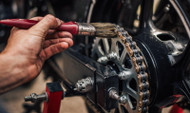
Many riders use a motorcycle-specific chain cleaner and a soft brush designed for chain maintenance. After applying the cleaner, gently scrub the chain to remove dirt and debris, then wipe it clean with a microfiber cloth or shop towel. Avoid using harsh chemicals or aggressive cleaning methods that could damage chain seals or protective components.
Once the chain is clean and dry, lubrication becomes the next critical step. Proper lubrication reduces friction between moving parts, helps prevent corrosion, and minimizes wear during operation. Motorcycle chains are subjected to tremendous stress, especially during acceleration and highway riding, making lubrication essential for long-term durability.
When applying chain lubricant, it's best to focus on the inner side of the chain where the lubricant can penetrate between the rollers and links. Rotating the rear wheel while applying the lubricant helps ensure even coverage. After application, allow the lubricant time to settle before riding. This helps prevent excess lubricant from being thrown off the chain during operation and improves overall effectiveness.
Another key element of chain maintenance is checking chain tension. Over time, motorcycle chains naturally stretch as they wear. A chain that is too loose can create excessive movement, cause poor power delivery, and increase wear on drivetrain components. A chain that is too tight can place unnecessary stress on bearings, sprockets, and the motorcycle's transmission.
Each motorcycle has a recommended chain slack specification provided by the manufacturer. Riders should consult their owner's manual to determine the correct adjustment range for their specific motorcycle. Checking chain tension regularly helps ensure the drivetrain continues to operate smoothly and efficiently.
Riding conditions can significantly influence maintenance intervals. Riders who frequently encounter rain, dirt roads, gravel, or dusty environments may need to clean and lubricate their chains more often than those who primarily ride on clean pavement. Long-distance touring riders should also inspect their chains periodically during extended trips, especially after riding through adverse weather conditions.
Understanding when a chain needs replacement is equally important. Even with excellent maintenance, motorcycle chains do not last forever. Signs that a chain may be approaching the end of its service life include excessive stretching, tight spots, damaged links, rust, unusual noises, or difficulty maintaining proper tension. Worn sprocket teeth often accompany chain wear and should typically be replaced at the same time as the chain to maximize performance and longevity.
Many new riders are surprised by how affordable chain maintenance can be compared to replacing neglected drivetrain components. A few simple supplies, such as chain cleaner, lubricant, brushes, and maintenance stands, can help keep a motorcycle's drivetrain in excellent condition for thousands of miles. Investing a small amount of time in routine maintenance can significantly extend component life and improve the overall riding experience.
Perhaps the greatest benefit of learning chain maintenance is the confidence it builds. Becoming familiar with your motorcycle's drivetrain helps you better understand how the bike operates and allows you to identify potential issues before they become major problems. This knowledge can make riding more enjoyable while reducing the likelihood of unexpected mechanical failures.
Motorcycle chain maintenance may seem like a small task, but it plays a major role in the health and performance of your motorcycle. By regularly inspecting, cleaning, lubricating, and adjusting your chain, you'll help ensure smoother acceleration, longer component life, and more reliable performance every time you ride.
Explore our selection of motorcycle chain cleaners, lubricants, maintenance tools, sprockets, and drivetrain accessories to keep your motorcycle performing at its best and ready for every adventure ahead.
Shop Maintenance: https://sparkpowersports.com/fluids-chains-and-maintenance/